
Wildlife In the Dubois-Crowheart District
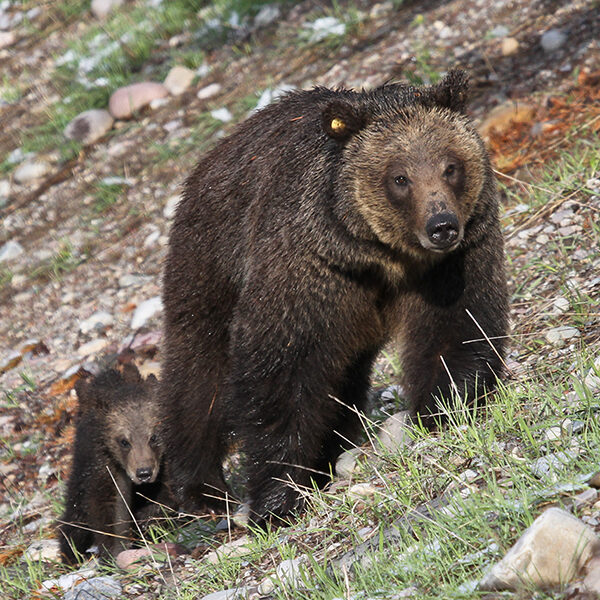
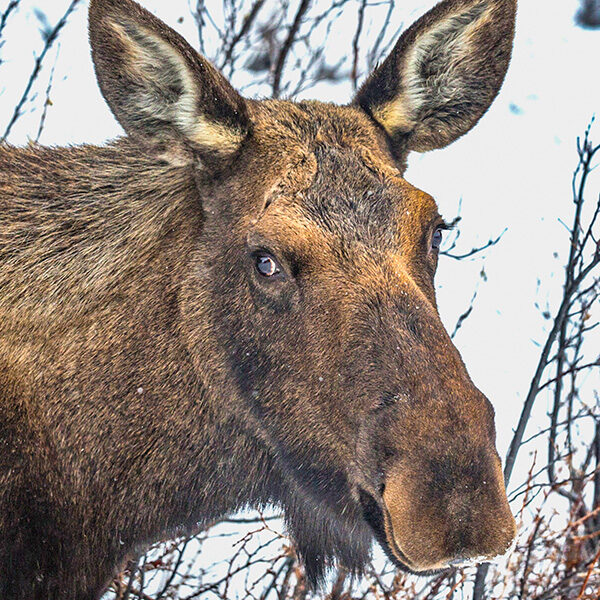
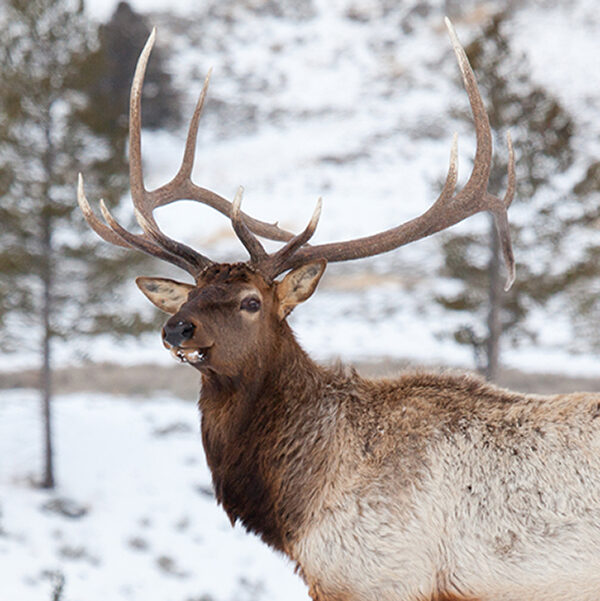
The District has a large diversity of wildlife. Big-game species include mule and white-tail deer, elk, Rocky Mountain Bighorn Sheep, moose, pronghorn and black bear in sufficient numbers to support hunting. Other species include cougar, grizzly bear and wolf.
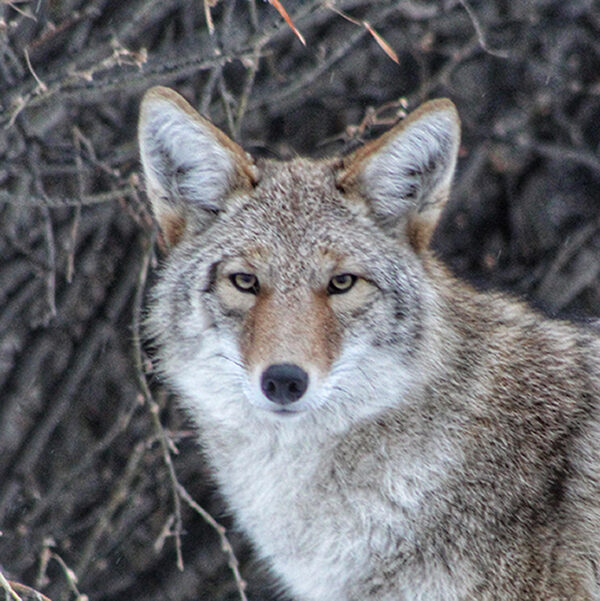
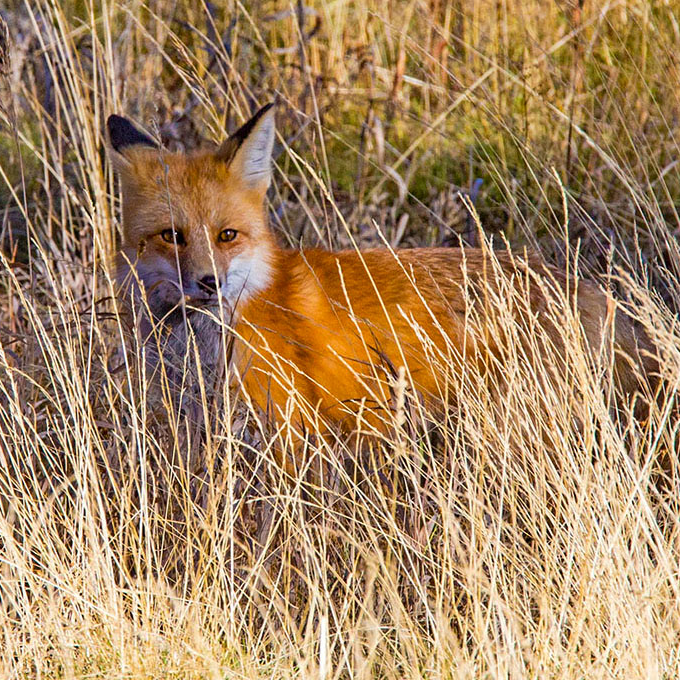
Small wildlife species include mink, martin, weasel, river otter, beaver, coyote, red fox, bobcat and lynx. Upland game birds include ruffed grouse, blue grouse, chukar, sage grouse and morning dove.
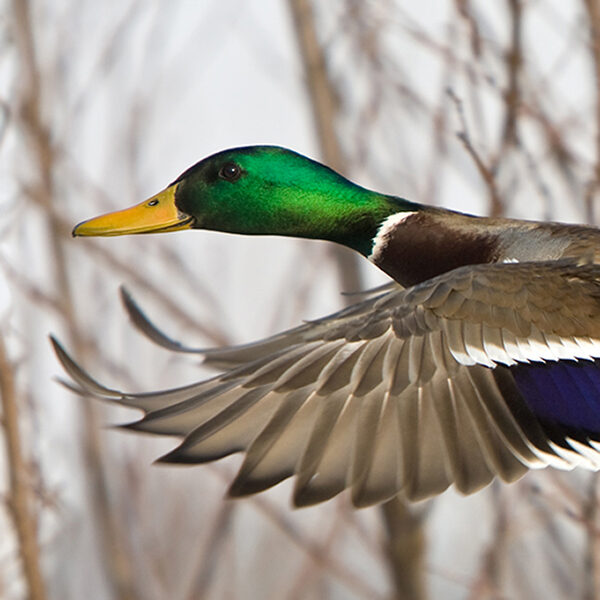
The District is on the western edge of the Central Flyway for migratory waterfowl. Waters on the District are used as resting areas by many species of migrating waterfowl. Mallard, golden-eye, teal, red-breasted mergansers, pintail, bufflehead, gadwall, common loon, western and pied billed grebe, American bittern, great blue heron and Canadian geese can all be found in the District in the summertime or during migration. Sandhill cranes are fairly common as summer residents.
Sport fish include brown trout, rainbow trout, cutthroat trout, brook trout, golden trout, lake trout and others. Lakes and streams in the Upper Wind River basin are open during specific seasons for fishing.
Hunting and fishing on the District are considered to be outstanding in both quality and quantity. Furnishing supplies and services to sportsmen is a major industry in the area.


During the winter, big game concentrate on private lands and public lands managed by the Wyoming Game and Fish Department, BLM and USFS. Three important wildlife areas are the Inberg-Roy and Spence-Moriarity winter ranges and the Whiskey Mountain Bighorn Sheep range. These areas are recognized management units by the Wyoming Game and Fish Commission.
The Whiskey Mountain Bighorn Sheep herd is the largest in the United States, with approximately 700-1,000 sheep. In order to keep this herd within the carrying capacity of its range, population control by live trapping and moving animals to non-stocked historic ranges has been practiced since 1949. To date nearly 2,000 sheep have been trapped and transplanted to Utah, Nevada, Idaho, South Dakota, New Mexico and other parts of Wyoming.
Since 1995 no sheep have been captured for transplanting elsewhere due to the low lamb recruitment that has been observed. This was due to a non-age specific pneumonia die-off in the winter of 1990-91.
About 2,500-3,000 elk winter on the Inberg-Roy and Spence-Moriarity WMNS from mid-November to mid-April. There is also a large concentration of mule deer in the area.


Recreation and Wildlife Programs
Objective:
Recognizing that a sustainable and healthy wildlife population is an important area asset, support carefully planned public and private land use proposals to minimize adverse impacts on critical wildlife habitat.
Strategies:
- Evaluate conservation easements or other methods for preserving critical wildlife habitat;
- Inform the public about the critical role habitat plays in maintaining wildlife populations;
- Continue to inform cooperators of proper range and timber management that will enhance lands for wildlife and recreation use;
- Provide a site for the Dubois students and interested public to study a habitat area (i.e. “Gilligan’s Island” outdoor classroom);